Taglionix
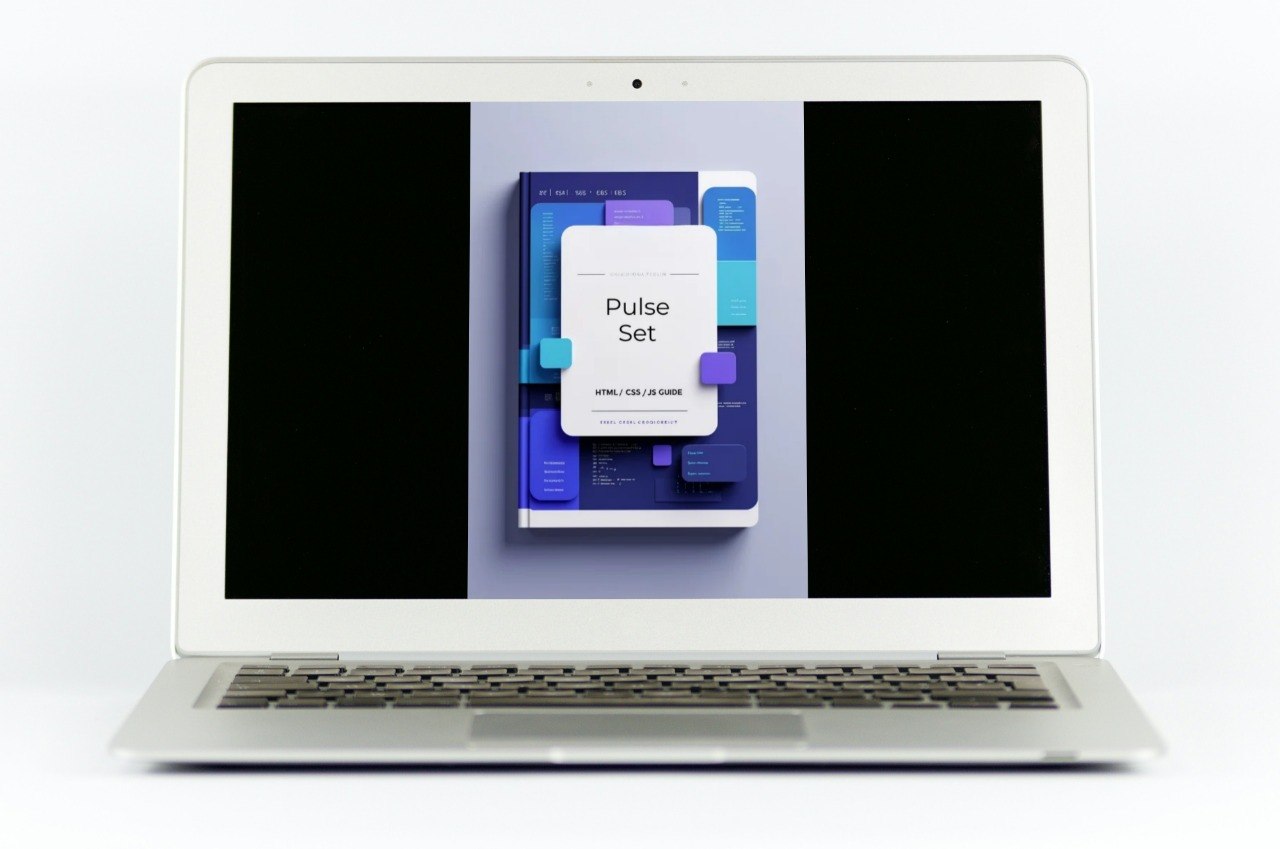
Pulse Set
Pulse Set
Couldn't load pickup availability
- 💾 Digital file available after purchase
- 📚 Long-term availability
- 🔐 Secure checkout
- 🛠️ Content updated in 2026
Self-paced learning overview
1. Problem Statement
After the first introduction to web development, a new challenge often appears: a person may understand separate tags, styles, and simple actions, but still struggle to combine them into a tidy page block. Code may work in parts, yet confusion can appear when elements, classes, nesting, spacing, and button behavior come together. It can also be difficult to understand which CSS rules should be reused and which should stay tied to a specific element. In JS, this stage often brings questions about finding the right element and referring to it correctly. Because of this, learning can feel fragmented, even when the foundation is already starting to form.
2. Solution
Pulse Set helps you move from scattered examples to small, complete interface fragments. The materials show how to create sections, cards, buttons, text blocks, and simple interactive elements inside a connected structure. Instead of a random set of exercises, you work with topics that support one another: markup first, styling next, then a small JS action. This approach helps you see how changes in one file affect the look and behavior of the page. The tier is suitable for those who want to continue after the starting stage and begin working with more complete examples.
3. What’s Inside
Pulse Set includes a selection of materials focused on building basic page elements. The first block is dedicated to structure: how to build sections, place headings, text, buttons, lists, and small information cards. You will see how to name classes so the code stays readable during later edits, and why tidy HTML structure matters when styling begins.
The second block focuses on CSS. The materials cover spacing, sizing, background, borders, rounded corners, shadows, alignment, and basic element placement. A separate part explains how to work with repeated styles so similar page elements look consistent. You will also see how to style blocks so the page does not look like a random group of disconnected parts.
The third block introduces JS in the context of simple actions. You will review examples where a button changes text, shows or hides a block, adds a class, or changes an element state. The materials explain how to find an element on the page, how events work, and why class names matter not only for CSS but also for logic.
The practice section includes several small tasks. These include creating an information card, styling a block with a button, building a short section with several elements, adding a simple interaction, and checking code mistakes. Each task has a learning purpose: not just repeating an example, but understanding the role of each part.
Pulse Set also includes self-review notes. They help you pay attention to common details: repeated styles, readable class names, unnecessary nesting, and whether an action still works after the structure changes. This supports a more careful way of working with code.
4. Who Is This For?
Pulse Set is for people who have already seen basic HTML, CSS, and JS examples and want to better understand how these parts work together. This tier can follow the starting set or serve as an entry point for those who already have minimal familiarity with the topic. It does not require deep technical preparation, but it works better if you already know what a tag, class, style, and simple button action are.
The tier suits beginners who want to create small page fragments on their own instead of only copying code. It can also be useful for designers, content managers, small site owners, or anyone who wants to better read and edit basic layouts. Pulse Set is created for people who value sequence, neat structure, and practical work with small examples.
5. What You’ll Learn
- How to build tidy HTML structure for small page blocks.
- How to use classes for convenient styling.
- How to combine headings, text, buttons, and cards in one section.
- How basic spacing, sizing, background, borders, and rounded corners work.
- How to make similar elements visually consistent.
- How to avoid unnecessary nesting in HTML.
- How JS finds elements on the page.
- How a button can change text, class, or block visibility.
- How to check why an action did not work.
- How to read a small code fragment as one connected system.
6. Refund Terms
For Pulse Set, there is a 30-day window for submitting a refund request if the material format does not suit you or you expected a different type of learning. To submit a request, contact the Taglionix team through the contact page and include the tier name. We review such requests carefully, taking into account the order status and the amount of materials already used. These terms are included so the user understands the request process in advance. We aim to keep the process calm, clear, and without unnecessary pressure.
Do I need previous experience with HTML, CSS, or JS?
Do I need previous experience with HTML, CSS, or JS?
No, Taglionix materials are built so you can move from basic ideas to more detailed topics at a steady pace. Each tier includes explanations, examples, and practice tasks.
What format do the materials use?
What format do the materials use?
The materials are presented as lessons, modules, code examples, short explanations, and practice tasks. The exact format depends on the tier, but each option follows a structured approach.
Share